90 Day Money Back Guarantee Supplement: What to Look for Before You Buy
Why a 90 day money back guarantee supplement matters
The supplement market is crowded. Every category seems to promise more focus, better mood, less stress, steadier energy, improved gut health, and some version of feeling like yourself again. That makes buying harder, not easier.
A 90 day money back guarantee supplement matters because many supplements are not impulse-purchase products. You do not take one capsule on Tuesday and know by Wednesday whether it belongs in your routine. For categories like mood support, stress resilience, gut-brain support, and vitality, results often depend on consistent daily use over several weeks.
That is where a longer guarantee becomes meaningful. It lowers buyer risk. It gives you enough time to try a product in a way that actually reflects how supplements are meant to be used.
That said, a guarantee does not prove a supplement works. It is not clinical evidence. It does not automatically mean the formula is well designed. What it can signal is something more practical: brand confidence, a more consumer-friendly return policy, and a willingness to carry more of the risk if the product is not a fit.
This guide will help you understand what a 90-day guarantee really means, how to compare brands fairly, and what to check before you buy. If you want to understand how formulation logic fits into that decision, Saffron Co's article on why this formula was built this way is a useful place to start. For clinical context on ingredients, PubMed is still one of the best places to review peer-reviewed research directly, while Healthline can be helpful for broad consumer education when you want a simpler overview.
Why supplements are different from impulse purchases
A shirt, a kitchen tool, or a water bottle can usually be judged quickly. Supplements are different.
Most people need time to assess whether a product fits their body, routine, and goals. That is especially true for products aimed at supporting mood balance, emotional well-being, stress adaptation, focus, or the gut-brain axis. These effects are usually evaluated over weeks, not days.
A short return window can force an unrealistic decision. If a brand gives you 14 or even 30 days, you may still be in the early stage of consistent use when the return clock runs out.
External and internal resources for smart comparison
If you are comparing supplements seriously, use more than the sales page. Look at published research on ingredients, read consumer-friendly education to clarify terminology, and study how the formula is structured. That combination tends to produce better decisions than relying on marketing claims alone.
What a money back guarantee tells consumers and what it does not
A company that offers a 90-day money-back guarantee is doing something specific. It is taking on more post-purchase risk.
For consumers, that matters. If a supplement needs 4 to 8 weeks of steady use before you can judge it fairly, a longer guarantee gives you room to test it properly. If it does not work for you, the financial downside is lower than it would be with a no-return or tightly restricted policy.
Brands without a meaningful guarantee leave more of that risk with the customer. That does not automatically make them untrustworthy. Some established brands rely on reputation, long market history, or retailer policies instead. But from a buyer's perspective, the risk is still different.
A generous guarantee is helpful, but it should sit alongside other trust signals: transparent labels, clinically relevant dosing, third-party testing, GMP standards, and a formula that makes sense ingredient by ingredient.
The practical question beneath the keyword is simple: what does this policy mean for someone deciding whether to try a supplement? Usually, it means you have more breathing room to test consistency, tolerance, and fit without feeling locked in after a single bottle.
Companies with guarantees vs companies without them
Companies with a real guarantee tend to reduce hesitation. That is particularly important when the brand is newer or when the category itself is full of overpromising products.
Companies without one ask the customer to trust first and absorb the downside if the product disappoints. Some shoppers are comfortable with that. Many are not, especially if they have already spent money on supplements that did very little.
This is not about declaring one model morally better. It is about understanding how each approach affects trust, willingness to try, and the consumer's sense of fairness.
What the fine print can change
Not all guarantees are equal. Before buying, check details such as:
- whether the guarantee applies only to a first order
- whether opened bottles qualify
- whether subscriptions are excluded
- who pays return shipping
- how refunds are issued and how long they take
- whether multiple bottles are covered or only one
A bold guarantee headline can sound generous. The policy page tells you what it really means.
How long supplements usually take to work and why 90 days is often reasonable
Many supplements are not immediate-feel products. That is especially true for saffron and other mood-support formulas.
Clinical research on saffron has often used daily dosing in the 28 to 30mg range over multi-week periods. The evidence is encouraging for mood support, but the studies are typically short and measured over time rather than overnight. In other words, this is not the kind of supplement you judge after three inconsistent doses.
For mood balance, stress resilience, focus, and gut-brain support, realistic timelines usually depend on the formula, the person, and how consistently it is taken. Some people notice a shift earlier. Others need several weeks. Some do not respond much at all. That variability is normal and worth acknowledging.
If you want a deeper breakdown of the research, we will be publishing a dedicated saffron clinical studies article soon. That piece will walk through the dose ranges, study lengths, and what the findings do and do not support in more detail.
A short 14-day or 30-day return policy often does not match the real-world evaluation window for this category. Ninety days is not magic, but it is usually long enough to give a supplement a fair trial.
What the research window looks like for saffron and similar formulas
Saffron has been clinically studied at around 28 to 30mg per day, with many trials running roughly 6 to 8 weeks. That matters because it gives consumers a more realistic benchmark.
If a product is built around a clinically studied saffron dose, the fair question is not "Did I feel different in four days?" It is "Did I take this consistently over the kind of timeline the research actually used?"
That is one reason a longer guarantee window can be more aligned with the science than a shorter one.
Realistic expectations before you judge a supplement
Before deciding a supplement did or did not help, consider:
- Did you take it consistently?
- Did you give it enough time?
- Was your sleep severely disrupted during that period?
- Was your stress load unusually high?
- Does the product actually match what you want support with?
A supplement can only be judged fairly when the trial itself is fair.
How to judge a 90 day money back guarantee supplement beyond the guarantee
A guarantee matters. It is not the whole story.
The better question is whether the product earns that guarantee with strong formulation logic. Look for label transparency, clinically studied dosing, standardized extracts when relevant, well-chosen ingredient forms, and a clear reason each ingredient is included.
Some brands lean heavily on the guarantee because the formula is weak or vague. Others pair a long guarantee with better sourcing, better testing, and a more coherent formula. Those are very different situations.
It also helps to separate customer service policy from scientific quality. Both matter. They are just not the same thing.
We will also be publishing a saffron supplement reviews page soon for readers who want a more direct brand-to-brand comparison. That article will focus on labels, formula structure, price context, and where different products may fit best.
Checklist for comparing supplements fairly
Use this checklist:
- dose per serving
- standardization markers
- ingredient form
- third-party testing
- GMP manufacturing
- price per month
- return policy length and details
A product with a great guarantee but a weak label is not automatically a smart buy. A strong formula with no meaningful return policy may still leave too much risk with the customer.
Questions to ask before buying
Ask practical questions like:
- How many bottles are covered?
- Can I return an opened bottle?
- Is this first-order only?
- Are subscriptions included?
- How long does the refund take?
- Does this product actually match the outcome I want support with?
Those questions are often more useful than a marketing headline.
A practical example: when a 90-day guarantee makes sense in a saffron supplement
A good example of where a 90-day guarantee is genuinely meaningful is a saffron-based mood and vitality formula.
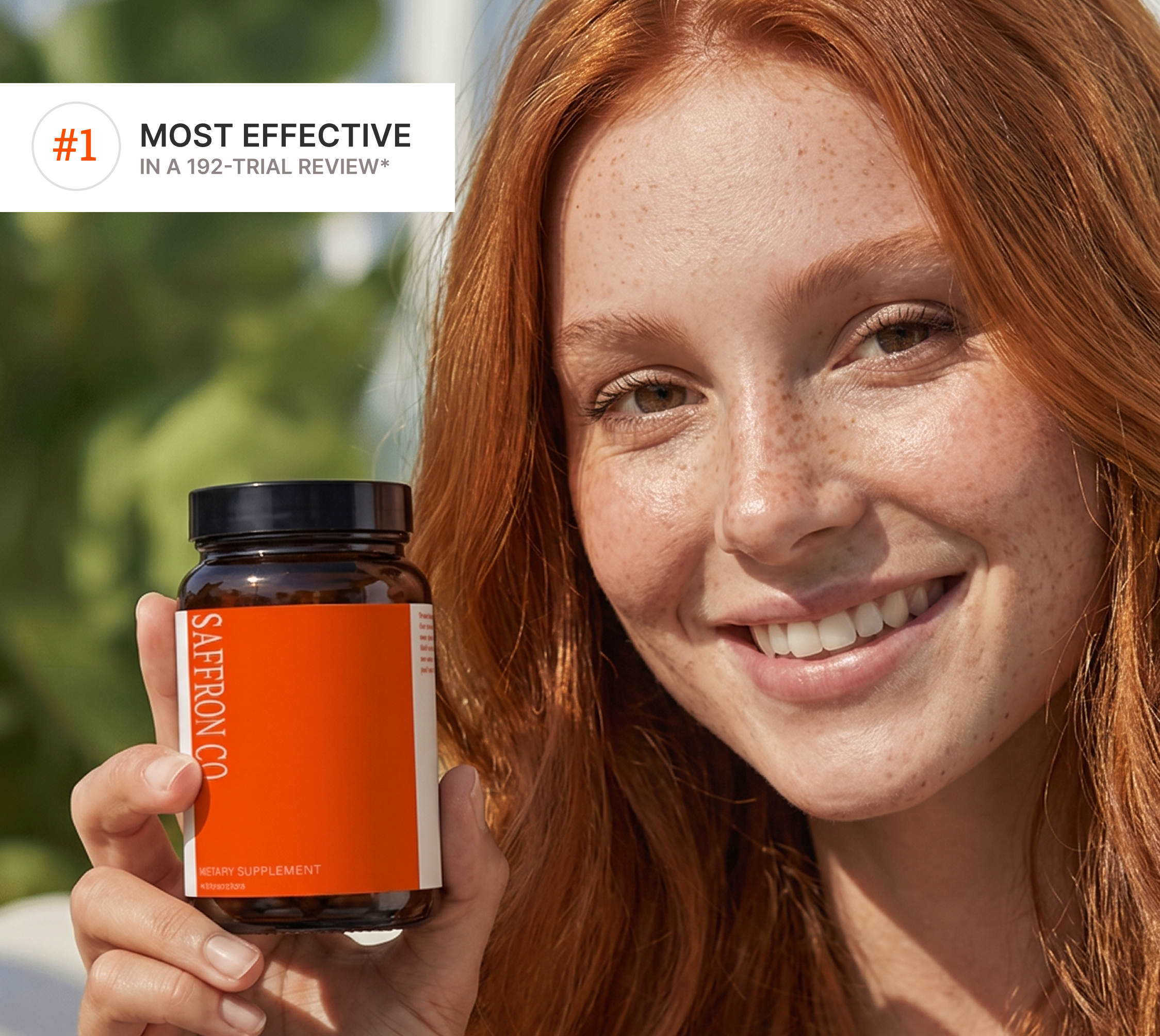
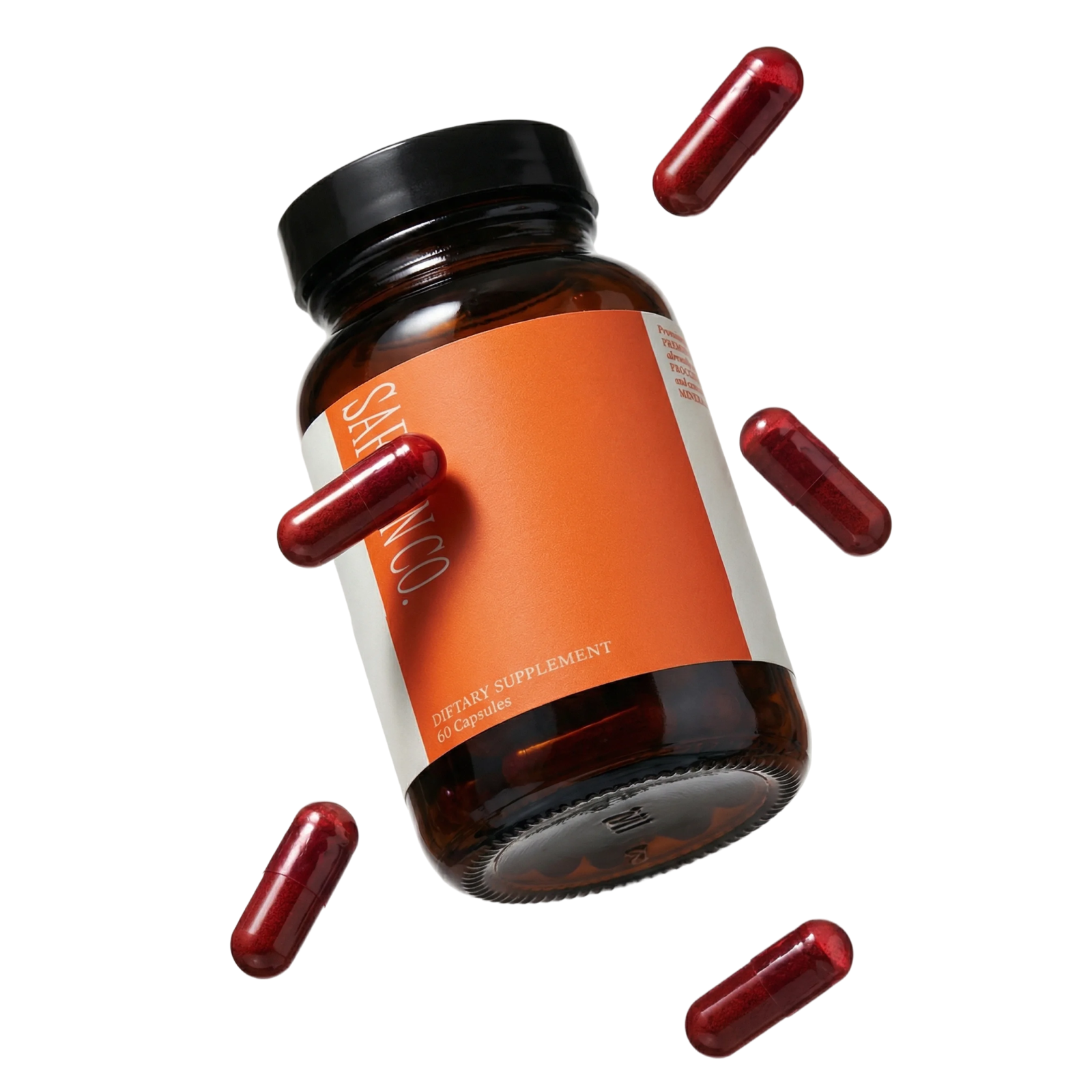
Saffron Co Mood and Vitality Capsules use 30mg per day of Spanish saffron extract, standardized to at least 3.0% trans-crocin and around 1.2% safranal. That matches the clinical dose range most often studied for mood support. The formula then adds four supporting ingredients chosen for a specific reason: Rhodiola rosea for stress adaptation, magnesium glycinate for nervous-system support, vitamin B6 in its active P5P form for neurotransmitter activation, and a probiotic to support the gut-brain axis.
That is a more complete formulation than a single-ingredient saffron capsule. For readers who want support across mood balance, emotional well-being, focus, stress resilience, and gut-brain support, that depth can be useful.
Just as important, Saffron Co pairs that formulation with a 90-day money-back guarantee. That matters because saffron is usually evaluated over weeks, not days.
It is also worth being honest about the brand's position. As a newer brand, Saffron Co has less long-term independent market history than some established competitors. The 90-day guarantee is part of how the brand reduces trial risk and answers that limitation in a straightforward way.
Why the guarantee matters more for a newer brand
When a brand is still building familiarity, consumers naturally have more questions. A generous guarantee shifts more of the risk away from the buyer and onto the company. If that policy is handled transparently, it becomes a meaningful trust signal.
That does not replace evidence, label quality, or good manufacturing. It complements them.
What readers can explore next
If you want to understand the logic behind the ingredient stack, start with Saffron Co's why this formula article. If you want the research detail, watch for the upcoming saffron clinical studies guide. If you are comparing options across the category, the future saffron supplement reviews page will help you weigh different formulas more directly.
Buy Saffron Co if you want a complete saffron-based formula, value formulation depth, and prefer a lower-risk trial window backed by a 90-day guarantee. Consider another option if you want a single-ingredient saffron product or simply prefer a more established legacy brand. There is no single best answer, only the best fit for what you are trying to support.
FAQ
What does a 90 day money back guarantee supplement actually mean?
It usually means the company allows you to request a refund within 90 days of purchase if the supplement is not a fit. The exact terms vary, so always check the policy details for opened bottles, first-order limits, shipping costs, and refund timing.
Are supplements with a money-back guarantee better than ones without one?
Not necessarily. A guarantee is a customer-service advantage, not proof of efficacy. The best products combine a fair return policy with transparent labels, clinically relevant dosing, testing standards, and a formula that makes sense.
How long should you try a supplement before deciding if it works?
It depends on the ingredient and the goal, but many mood, stress, and gut-brain supplements need several weeks of consistent use before they can be judged fairly. For saffron-based formulas, 4 to 8 weeks is a more realistic window than a few days.
Can you return an opened supplement bottle under a 90-day guarantee?
Sometimes, yes. Sometimes, no. This depends entirely on the company's policy. Some brands allow returns on opened products, while others restrict refunds to unopened bottles or first orders only. Always read the fine print before buying.
Is a 90-day guarantee enough time to evaluate a saffron supplement?
In many cases, yes. Since saffron is commonly studied at about 28 to 30mg per day over roughly 6 to 8 weeks, a 90-day guarantee is usually long enough to assess consistency, tolerance, and whether the product feels supportive for your needs.
If you are currently taking prescription medication for mood, anxiety, sleep, or any other condition, talk with your healthcare provider before introducing a new supplement. If you are pregnant or nursing, the same caution applies. This article is intended for informational purposes and is not medical advice.