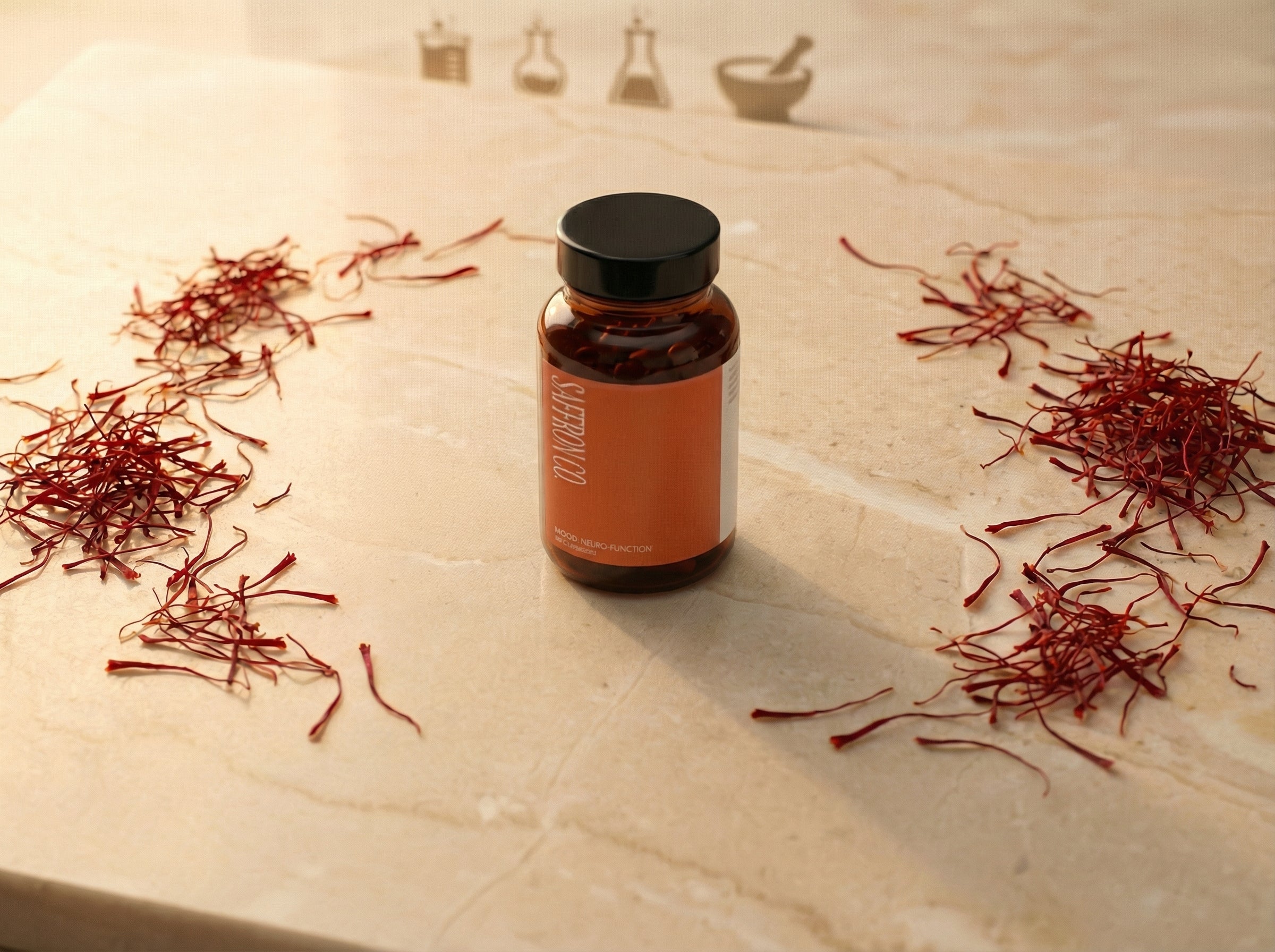

A grounded look at why saffron is the world's costliest spice, how it compares with vanilla, cardamom, and other premium spices, and how to buy it without overpaying.
What Is the Most Expensive Spice in the World?
Saffron is widely considered the most expensive spice in the world by weight.
That answer is simple. The reason behind it is not. Saffron is costly because it comes from a very specific flower, is harvested by hand, and yields only tiny amounts of usable spice. For cooks, shoppers, and curious readers, that matters because saffron's price is not just branding or luxury markup. It reflects real work, low output, and a product that is unusually difficult to produce at scale.
Saffron comes from Crocus sativus, often called the saffron crocus. The spice itself is made from the flower's delicate red stigmas, which are carefully removed and dried. These threads are then used in cooking for their color, aroma, and distinctive flavor.
When people ask what the most expensive spice is, it helps to use the right frame. Price can depend on:
- cost by weight
- rarity
- labor required to produce it
- culinary demand
- quality and authenticity
By those measures, saffron consistently sits at the top.
A concise answer for featured snippet readers
Saffron is the dried stigma of the Crocus sativus flower and is generally recognized as the most expensive spice in the world because it is harvested by hand in tiny quantities.
Why Is Saffron the Most Expensive Spice?
The short answer is labor. But labor is only part of the story.
Saffron must be picked during a brief harvest window when the flowers bloom. Each flower is delicate. Each one contains only three usable red stigmas. Workers must harvest the blossoms, separate the stigmas by hand, and then dry them carefully without damaging quality. That process takes time, precision, and a great deal of plant material for a very small final yield.
This is why searches like "why is saffron the most expensive spice" usually lead back to the same core point: saffron is expensive because it combines manual harvesting, low yield, and strict quality control.
From flower to spice: why the yield is so small
Each saffron crocus flower produces only three red stigmas. That is it.
To produce even a small amount of saffron, growers need an enormous number of flowers. Estimates vary, but it commonly takes tens of thousands of flowers to produce a pound of finished saffron. Even a small jar represents a surprising amount of field work.
That low yield creates a hard limit on supply. Unlike some crops, saffron cannot be scaled cheaply with rough mechanical harvesting. The threads are too delicate, and the part of the flower used is too small. The work remains stubbornly manual.
What affects saffron's price beyond harvest
Harvesting explains a lot, but not everything. Saffron prices also shift based on:
- origin: Spanish, Iranian, Kashmiri, and Afghan saffron may command different prices based on reputation, supply, and market access
- grade: longer, deeper red threads with minimal yellow style material usually sell for more
- freshness: saffron loses strength over time, so newer harvests tend to be more valuable
- storage: poor handling can flatten aroma and color
- authenticity: adulteration is a real issue in the saffron market
- form: whole threads are often priced differently from powder because they are easier to verify
That last point matters. Some saffron is stretched, dyed, or mixed with other plant material. So part of what you pay for is confidence that what you are buying is genuine.
The Most Expensive Spices Compared, Side by Side
Lists of the most expensive spices can vary because prices move with crop yields, weather, region, grade, and global demand. The table below shows typical US retail price ranges for six spices, ordered from most to least expensive by weight. Saffron's premium becomes obvious as soon as the per-gram numbers are next to each other.
| Spice | Botanical source | Approx. retail (per gram) | Approx. retail (per ounce) | Why it costs what it does |
|---|---|---|---|---|
| Saffron | Crocus sativus stigmas (3 per flower) | ~$5-$15 | ~$150-$425 | Hand-harvested; ~150,000+ flowers per kg; strict grading |
| Vanilla (cured beans) | Vanilla planifolia orchid pods | ~$1.40-$3.80 | ~$40-$110 | Hand-pollinated flowers; 6-9 month cure; climate-sensitive supply |
| Cardamom (green pods) | Elettaria cardamomum | ~$0.07-$0.14 | ~$2-$4 | Hand-picked at the right stage; limited growing regions |
| Mahleb | St. Lucie cherry kernels (Prunus mahaleb) | ~$0.10-$0.28 | ~$3-$8 | Small kernels inside fruit pits; labor-intensive shelling |
| Long pepper (pipali) | Piper longum catkins | ~$0.05-$0.10 | ~$1.50-$3 | Limited cultivation; slow-growing perennial |
| Black pepper (reference) | Piper nigrum berries | ~$0.01-$0.04 | ~$0.30-$1 | Mass-produced baseline for comparison |
1st most expensive spice in the world: saffron
Saffron leads because of its extreme labor demands and very low yield. Each flower gives only three stigmas, and those threads must be harvested and processed gently. It also has a premium culinary role. A small pinch can transform a dish's color, aroma, and flavor in a way few other spices can.
That combination keeps saffron at the top by weight.
2nd most expensive spice in the world: vanilla
Vanilla is often next in line, especially real vanilla beans and high-quality extracts.
Its price comes from a different kind of difficulty. Vanilla orchids are labor-intensive to grow, and in many growing regions the flowers must be hand pollinated. After harvest, the beans go through a long curing process that develops the aroma people expect. Vanilla supply is also highly sensitive to climate, storms, and crop disruption, which can make prices swing sharply.
Vanilla is expensive not because the yield is as tiny as saffron's, but because production is slow, delicate, and vulnerable.
3rd most expensive spice in the world: cardamom
Cardamom usually follows saffron and vanilla in discussions of high-value spices.
It is costly because it is difficult to harvest, tied to specific growing regions, and in strong demand across both savory and sweet cooking. It is also widely used in tea blends, baked goods, rice dishes, and spice mixes. Harvesting the pods at the right stage and processing them well takes care and labor.
Cardamom is less expensive than saffron by weight in most markets, but it still ranks among the costliest spices for many of the same reasons: limited production areas, labor, and steady demand.
Reclaim Your Balance. Naturally.
Is Saffron Worth the Price? What It Can and Cannot Offer
Sometimes yes. Sometimes no.
Saffron is expensive, but it is also used in very small amounts. A modest jar can last longer than people expect if you use it for special dishes rather than everyday seasoning. That makes the real-world cost per serving more manageable than the sticker price suggests.
What saffron offers is a combination of:
- golden color
- a floral, earthy aroma
- a subtle bitter-honeyed depth
- a culinary identity that is difficult to replicate exactly
What it cannot offer is universal necessity. Not every dish benefits from saffron. Not every home cook needs premium threads in the pantry. And if your goal is only to add yellow color to rice, cheaper ingredients like turmeric or annatto may do that job well enough, even though the flavor will be different.
What saffron actually tastes like
Saffron is often described badly, either overhyped or reduced to "floral." In practice, its flavor is more layered than that.
Good saffron usually tastes and smells:
- floral
- earthy
- lightly honeyed
- slightly bitter
- warm and complex
It is not sweet in the way vanilla is sweet. It is not simply spicy either. It has a dry, aromatic depth that spreads through a dish rather than sitting on top of it.
When saffron is worth buying and when it is not
Saffron is worth buying when it plays a central role in the dish. Good examples include:
- paella
- risotto Milanese
- Persian rice dishes
- saffron broths
- certain desserts and custards
- breads and festive rice preparations
In those cases, saffron is not decoration. It is part of the dish's identity.
It may not be worth buying for:
- casual weekday cooking
- recipes where the flavor will be buried
- dishes using many stronger competing spices
- situations where color matters more than flavor
That is the honest middle ground. Saffron is special, but it is not mandatory.
How to Buy Real Saffron Without Overpaying
The best saffron purchase is not always the cheapest and not always the most expensive. It is the one that gives you real, well-handled threads from a trustworthy source.
Look for:
- whole threads rather than vague powder
- deep red color that looks vivid but still natural
- minimal yellow or pale material
- clear origin information
- reputable sourcing and packaging
If the price looks implausibly low, pause. Real saffron is expensive for structural reasons. A deal that seems too good often is.
Whole threads vs powder
Whole threads are usually easier to verify.
You can see their shape, color, and overall quality. Powdered saffron is harder to assess because you cannot easily tell whether it is pure, stale, or mixed with fillers. That does not mean all saffron powder is bad, but it does mean the buyer has to trust the seller more.
For most home cooks, whole threads are the safer buy.
How to store saffron so it keeps its value
To protect saffron's flavor and aroma, store it in an airtight container away from heat, moisture, and direct light. A cool, dark cupboard works well.
Saffron does not spoil quickly in the usual sense, but it does lose potency over time. For best flavor and aroma, it is wise to use it within a year or two of purchase, especially if you bought it for special dishes where its character matters.
A small amount stored properly is usually better than a large amount that sits too long.
Saffron Beyond the Kitchen
The same compounds that give saffron its color and aroma, primarily crocin, picrocrocin, and safranal, are also the focus of a growing body of clinical research. Standardized saffron extract has been studied most often at about 28 to 30 mg per day over 6 to 8 weeks for its role in supporting mood balance, emotional well-being, and stress resilience.
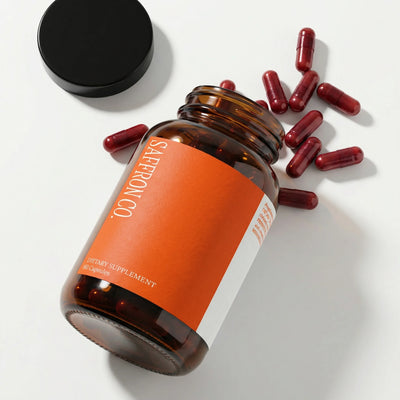
That research is the basis for Saffron Co.'s daily capsule formula. It uses Spanish saffron extract standardized to ≥3.0% trans-crocin and ~1.2% safranal at the clinically studied 30 mg daily dose, paired with four supporting ingredients chosen for a defined reason: Rhodiola rosea for stress adaptation, magnesium glycinate for nervous-system support, vitamin B6 as P5P for neurotransmitter activation, and ProbioMood® NU-10 for the gut-brain axis. The full formula is backed by a 90-day money-back guarantee.
Saffron Co. Mood and Vitality Capsules
FAQ
Why is saffron the most expensive spice?
Saffron is the most expensive spice because it comes from the tiny red stigmas of the Crocus sativus flower, and those stigmas must be harvested by hand in very small quantities. Its price reflects labor, low yield, careful drying, grading, and the need for authentic sourcing.
What is the 2nd most expensive spice in the world?
Vanilla is often considered the 2nd most expensive spice in the world. Its cost is driven by hand pollination in many regions, long curing times, climate sensitivity, and volatile supply.
What is the 3rd most expensive spice in the world?
Cardamom is commonly listed as the 3rd most expensive spice in the world. It is labor-intensive to harvest, grown in more limited regions, and widely used in cooking and tea blends.
How can you tell if saffron is real?
Real saffron is usually sold as whole threads with a deep red color and visible thread structure. Clear origin information and reputable sourcing help. Very cheap saffron, unclear powders, or products with unnatural-looking color can be warning signs of adulteration or poor quality.
Is saffron worth the price for home cooking?
It can be, especially for dishes where saffron is central to the flavor, aroma, and color, such as paella, risotto, rice dishes, broths, and some desserts. If you only need color or a general warm note, lower-cost alternatives may make more sense.
Spice prices reflect typical US retail snapshots and vary by grade, origin, harvest year, and market. Saffron in particular spans a wide retail range; verify on the retailer's product page before purchase. This article is for informational and culinary purposes. The Saffron Co. capsule formula is a dietary supplement and is not intended to diagnose, treat, cure, or prevent any disease. If you take prescription medication, are pregnant or nursing, or are managing a clinical condition, talk with a qualified healthcare provider before starting a new supplement.