
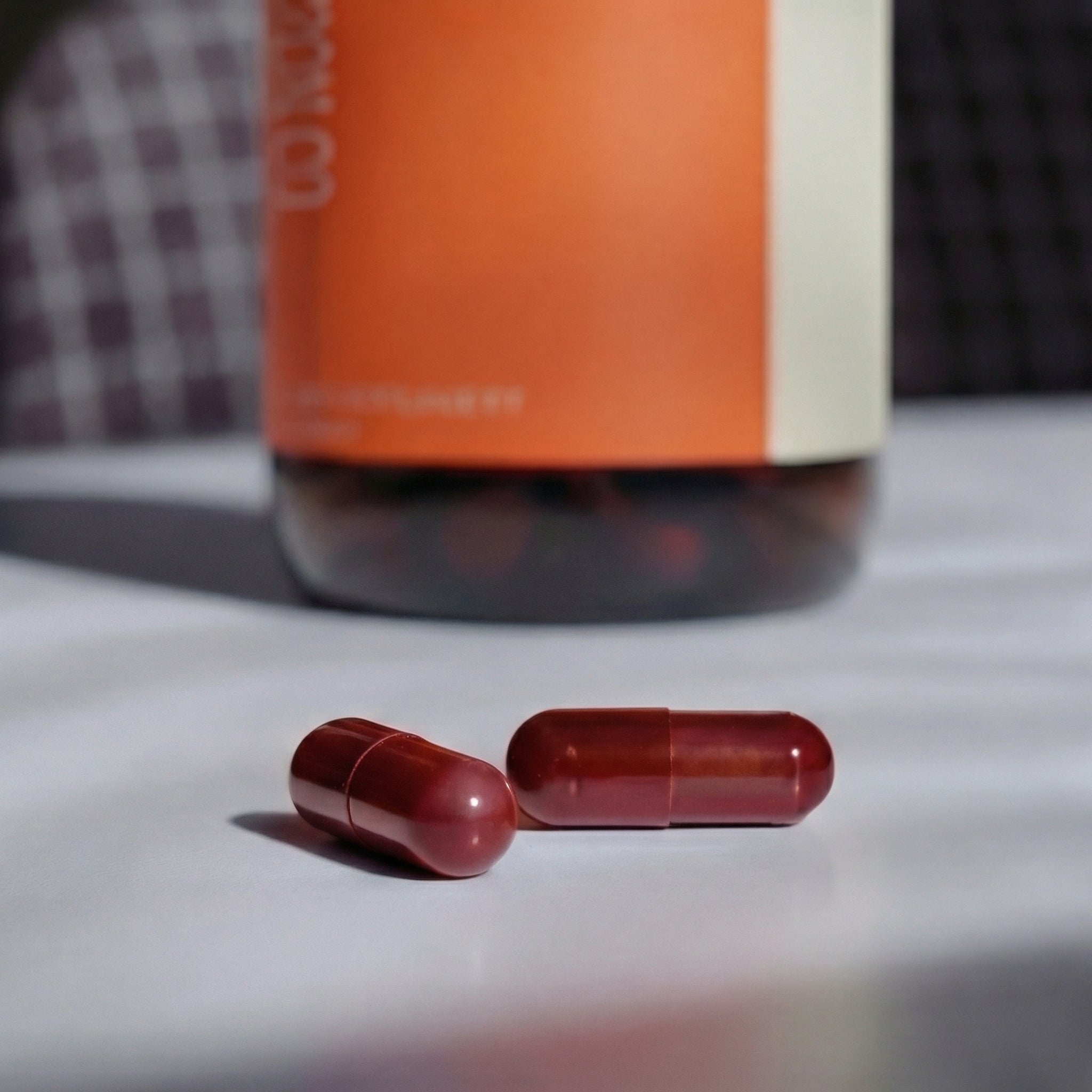
Best Saffron Supplement for Mood Support in 2026: What Actually Matters
What makes a saffron supplement worth considering for mood
Most mood supplements underdeliver.
That is not cynicism. It is simply what happens when a category gets crowded with vague promises, weak dosing, and labels that sound better than they perform. If you have tried a few already and felt nothing, your skepticism makes sense.
Saffron is one of the few botanical ingredients in this space that has attracted real clinical interest for mood support. It comes from Crocus sativus, and in supplement form it is typically standardized for compounds such as crocin and safranal, which are believed to contribute to its effects. It has become popular with adults who feel emotionally flat, mentally foggy, stressed, or just less like themselves than they used to.
This category may fit best if you want support for normal mood balance and emotional well-being, not a dramatic overnight change and not a substitute for medical care. If you want more context on how Saffron Co builds its formula, the brand's Why This Formula page is the best place to start.
Before talking about products, it helps to set a clear framework. The best saffron supplement for mood is not simply the one with the loudest claims. It is the one that gets the basics right:
- clinically aligned dose
- meaningful extract standardization
- sensible formulation logic
- clean manufacturing and testing standards
- fair value for what is actually in the bottle
Why saffron keeps coming up in mood-support conversations
Saffron keeps coming up because it is one of the better-studied botanicals for mood support, especially in the 28 to 30mg per day range. That does not mean every saffron product works. It means the ingredient itself has a more serious research base than many trendy mood supplements.
For readers who feel low-grade emotional flatness rather than a severe mental health crisis, that matters. It gives saffron a reason to be considered, not blindly trusted.
Who this guide is for and who should look elsewhere
This guide is for women and other adults dealing with emotional flatness, stress, brain fog, low motivation, or the feeling that their spark has dimmed a bit. It is especially relevant for people in perimenopause and menopause, where mood, stress tolerance, and focus can all feel less steady.
It is not for someone looking to self-treat clinical depression, severe anxiety, ADHD, or any other diagnosable condition. If symptoms are severe, persistent, or interfering with daily functioning, professional care is the right next step.
How this article judges the best saffron supplement for mood
The products below are judged on five things:
- whether the saffron dose matches the clinical research
- whether the extract is standardized clearly
- whether the rest of the formula adds something useful
- whether the brand shows credible quality standards
- whether the product makes sense for a specific use case
That last point matters. A pure saffron capsule is not always the best option. Sometimes a broader formula makes more sense, especially if mood, stress, focus, and nervous-system support are all part of the picture.
What the research actually says about saffron for mood
The research on saffron for mood is encouraging, but it should be described honestly.
Most clinical trials have studied saffron extract at about 28 to 30mg per day, often over 6 to 8 weeks. Across multiple randomized studies, saffron has shown potential to support mood and emotional well-being. That is why it has become one of the more credible ingredients in this category.
Researchers generally discuss a few possible mechanisms. Saffron appears to influence serotonin and dopamine signaling, which are both relevant to mood and motivation. It also has antioxidant activity, which may help protect nerve cells from oxidative stress, and there is some evidence suggesting support for BDNF, a protein involved in brain health and plasticity.
Does saffron actually work for mood?
This is really two questions.
First, does saffron have meaningful research behind it? Yes. It has been studied more seriously than most mood-support botanicals, with 24+ peer-reviewed clinical studies in the 28 to 30mg range.
Second, will it work for any specific person? That is less certain. Individual response varies. Some people notice a meaningful shift. Some notice a modest one. Some do not respond much at all.
So the fair answer is this: saffron appears to help support mood for some people, but it is not universally effective and it is not a cure.
How long does saffron take to work?
Most people should think in terms of 4 to 8 weeks, not a few days.
That timeline matches the research. Judging a saffron supplement after one week often leads to a false negative, especially if the product is being taken inconsistently. Like many mood-support supplements, saffron seems to work better as a steady daily ritual than as an occasional fix.
What dose has actually been studied
The clinically studied range is usually 28 to 30mg per day.
That matters because underdosed products are common. Some labels mention saffron prominently but include too little to reflect the research. If a product is far below the 30mg range and does not explain why, that is a reason to be cautious.
More is not necessarily better either. The strongest evidence sits around the standard clinical dose, not at escalating amounts.
Where the evidence is strong and where it is still limited
Mood support is where saffron has the strongest backing.
The evidence becomes thinner when brands stretch into broader claims around anxiety, ADHD, or other conditions. There may be early or emerging research in some of those areas, but it is not as established. It is also true that many saffron studies are relatively small and short-term. That does not invalidate them, but it should keep expectations grounded.
How to choose the best saffron supplement for mood
A good buying framework can save you from wasting money, whether you choose Saffron Co or not.
Start with the label. Ignore words like premium, powerful, and advanced unless the product backs them up with specifics.
Start with dose and standardization, not marketing promises
Look for a daily saffron dose in the 28 to 30mg range. Then look for standardization markers such as crocin or safranal. These are far more useful than vague language about exotic sourcing or luxury-grade ingredients.
If the brand does not tell you what is standardized and at what dose, that is not transparency. It is marketing.
Pure saffron supplement vs blended mood formula
A pure saffron supplement can make sense if you want fewer variables, already have an existing supplement routine, or prefer to build your own stack.
A blended formula may be the better fit if your low mood seems tied to stress, mental fatigue, nervous-system strain, or gut-health issues as well. In that case, additional ingredients like Rhodiola, magnesium glycinate, active B6, or a probiotic may create a more complete daily formula.
Neither approach is automatically better. It depends on what you are actually trying to support.
What separates high-quality saffron from generic saffron extract
Saffron is expensive. That alone attracts low-quality products.
Better formulas tend to be more transparent about saffron origin, extract standardization, and manufacturing quality. Third-party testing, GMP-certified production, and a clean label all help. So does a formula that explains why each ingredient is included rather than stuffing the capsule with a little of everything.
What to avoid when shopping
Be cautious with:
- underdosed saffron
- proprietary blends that hide actual amounts
- vague labeling
- exaggerated claims
- products that imply they replace therapy or prescribed medication
If a supplement sounds too certain, it usually is.
Best saffron supplements for mood compared
There is no single best saffron supplement for every person. There are better fits for different goals.
Best overall for formulation depth: Saffron Co Mood and Vitality Capsules
Saffron Co Mood and Vitality Capsules are a strong fit for readers who want more than saffron alone.
The formula uses 30mg per day of Spanish saffron extract, standardized to at least 3.0% trans-crocin and about 1.2% safranal. That matches the dose range most commonly studied in the research. It then builds around that with four supporting ingredients chosen for a clear reason:
- Rhodiola rosea for stress adaptation
- magnesium glycinate for nervous-system support
- vitamin B6 in active P5P form for neurotransmitter activation
- ProbioMood NU-10 probiotic for the gut-brain axis
That formulation logic is what sets it apart. It is not just trying to check boxes. It is trying to support the systems around mood, not only mood in isolation.
This formula fits best for women in their 30s to 60s who feel flat, stressed, mentally tired, or slightly disconnected from themselves and want a more complete stack without managing several separate bottles.
One honest limitation: Saffron Co is a newer brand, so it has less long-term independent market history than established names. The 90-day money-back guarantee matters for exactly that reason. It shifts some of the risk back to the brand.
Best if you prefer an established doctor-led brand: BrainMD Happy Saffron Plus
BrainMD Happy Saffron Plus appeals to shoppers who value a more established doctor-led brand identity.
Its formulation philosophy is different. Rather than building a broader stress and gut-brain stack, it pairs saffron with curcumin and zinc. That may appeal if you want saffron plus a more inflammation-oriented support angle and feel reassured by Dr. Amen's profile and broader market familiarity.
This may be the better fit if brand familiarity matters more to you than the broader 5-ingredient stack design used by Saffron Co.
Best if you want a simpler pure saffron supplement: Life Extension or similar single-ingredient options
A pure saffron supplement such as a Life Extension option can make sense if you want simplicity.
This route is useful if you already take magnesium, probiotics, or other supplements separately and do not want overlap. It is also easier for people who like cleaner self-experimentation. If you notice a change, you know saffron itself is likely doing the heavy lifting.
The tradeoff is obvious. You get less formula depth, but also fewer moving parts.
Best for stress-first shoppers considering alternatives to saffron blends
If your main goal is stress relief rather than low mood or emotional flatness, a non-saffron product may be the better fit.
Ashwagandha and L-theanine formulas are often chosen by readers who want calmer energy or help unwinding. Ashwagandha tends to lean more calming. L-theanine tends to be faster-acting and gentler. By contrast, saffron is usually better positioned as a mood-support ingredient with a multi-week timeline.
So if stress is the whole issue, look broadly. If mood, flatness, and loss of spark are also part of the picture, saffron often makes more sense.
Quick comparison table: dose, formula style, quality markers, and best use case
| Product | Saffron dose | Formula style | Quality markers | Best use case |
|---|---|---|---|---|
| Saffron Co Mood and Vitality Capsules | 30mg/day | 5-ingredient mood and stress stack | Standardized Spanish saffron, vegan, Non-GMO, gluten-free, GMP certified, third-party tested | Best for readers who want a complete formula for mood, stress resilience, focus, and emotional balance |
| BrainMD Happy Saffron Plus | Brand-specific label details vary | Saffron plus curcumin and zinc | Established doctor-led brand | Best for readers who prioritize brand familiarity and a saffron-plus approach |
| Life Extension or similar pure saffron options | Varies by product | Single-ingredient saffron | Often simpler labels and easier stacking | Best for readers who want a straightforward saffron-only approach |
| Ashwagandha or L-theanine stress formulas | Not applicable | Non-saffron stress support | Varies by brand | Best for readers whose main issue is stress rather than emotional flatness |
Buy if this sounds like you, consider another option if not
Buy Saffron Co if you want a clinically aligned saffron dose in a more complete formula, and you like the logic of supporting mood through stress resilience, nervous-system support, and the gut-brain axis at the same time.
Consider BrainMD if doctor-led brand familiarity matters more to you than a broader stack design.
Consider a pure saffron supplement if you want the simplest possible trial with fewer variables.
Realistic expectations, safety, and common questions before you buy
Saffron may help support mood balance and emotional well-being. That is the right ceiling.
It is not a cure. It is not a replacement for therapy. It is not a replacement for prescribed medication.
What saffron can do and what it cannot do
Saffron may help support normal mood, emotional balance, focus, and stress resilience. For some people, it can be a useful part of a broader wellness routine.
What it cannot do is treat depression, anxiety, ADHD, perimenopause, or any other diagnosable condition. It also cannot override major drivers of low mood such as chronic sleep deprivation, unaddressed grief, severe burnout, or untreated hormonal issues.
Side effects, interactions, and who should be cautious
Saffron is generally well tolerated, but mild side effects can happen. As with many supplements, some people report digestive discomfort, headache, or light dizziness.
If you are currently taking prescription medication for mood, anxiety, sleep, or any other condition, speak with your healthcare provider before adding a saffron supplement. The same applies if you are pregnant or nursing. This article is for informational purposes and is not medical advice.
Can you take saffron every day and for how long?
Daily use is the pattern that matches the research.
There is no established need to cycle saffron the way people sometimes discuss with certain adaptogens. If you are trying it, consistency matters more than complicated timing strategies.
What about searches for the best saffron supplement for anxiety or ADHD?
These searches are understandable, but the evidence is not equally strong across all use cases.
Saffron has its best support in the mood category. That does not mean it treats anxiety or ADHD, and it should not be framed that way. If those are your primary concerns, especially if symptoms are persistent or impairing, a clinician is the appropriate guide.
Final takeaway: the best choice depends on your use case
If you want a complete saffron-based stack with clinical-dose saffron and broader formula support, Saffron Co is one of the more compelling options to consider.
If you want a familiar doctor-led brand, BrainMD may feel more comfortable.
If you want the simplest saffron trial possible, a pure saffron supplement is often the cleanest route.
And if your issue is mainly stress, not low mood or emotional flatness, a non-saffron formula may actually fit better.
FAQ
Does saffron actually work for mood?
It may. Clinical research on saffron for mood support is encouraging, especially around the 28 to 30mg daily dose, but individual response still varies. Some people notice a meaningful shift, while others notice less.
What is the best saffron supplement for mood?
It depends on your use case. Saffron Co Mood and Vitality Capsules are a strong option if you want a broader formula with clinically aligned saffron plus supporting ingredients. A pure saffron supplement may be better if you want simplicity.
How long does saffron take to work?
Most people should give it 4 to 8 weeks of consistent daily use. Judging it too early is one of the main reasons people assume it does nothing.
What dose of saffron is best for mood support?
The most commonly studied range is about 28 to 30mg per day. That is the dose range worth looking for on the label.
Is a pure saffron supplement better than a blended formula?
Not always. A pure saffron product is better for simplicity and cleaner self-testing. A blended formula may be better if your mood concerns overlap with stress, focus, or nervous-system strain.
Can I take a saffron supplement every day?
Yes, daily use is how saffron has generally been studied. If you take prescription medication, are pregnant, or are nursing, talk with your healthcare provider first.
Read more
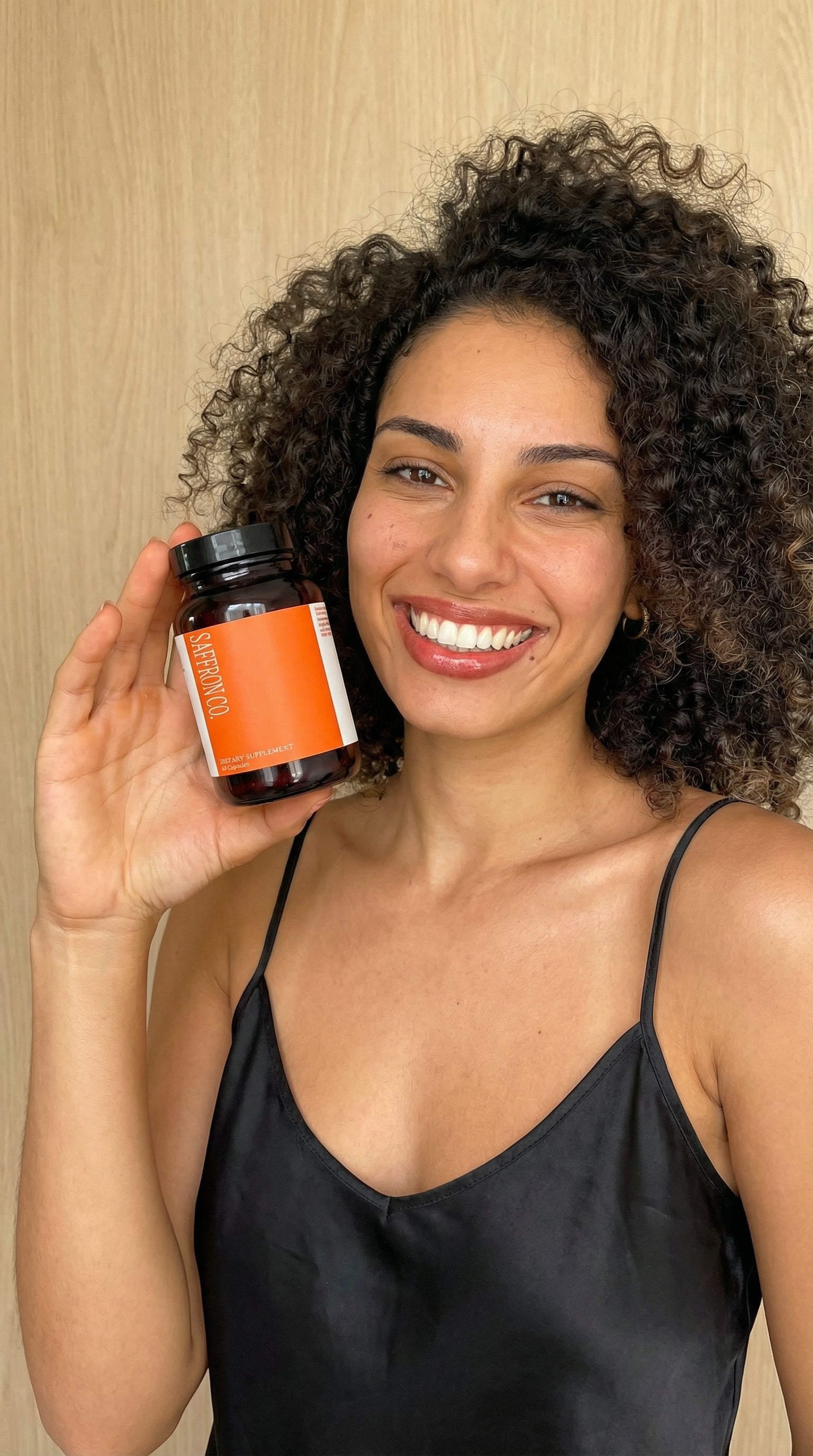
Looking for the best saffron supplement? Compare 7 top-rated saffron supplements for mood, stress, focus, and emotional well-being, including pure and blended formulas.
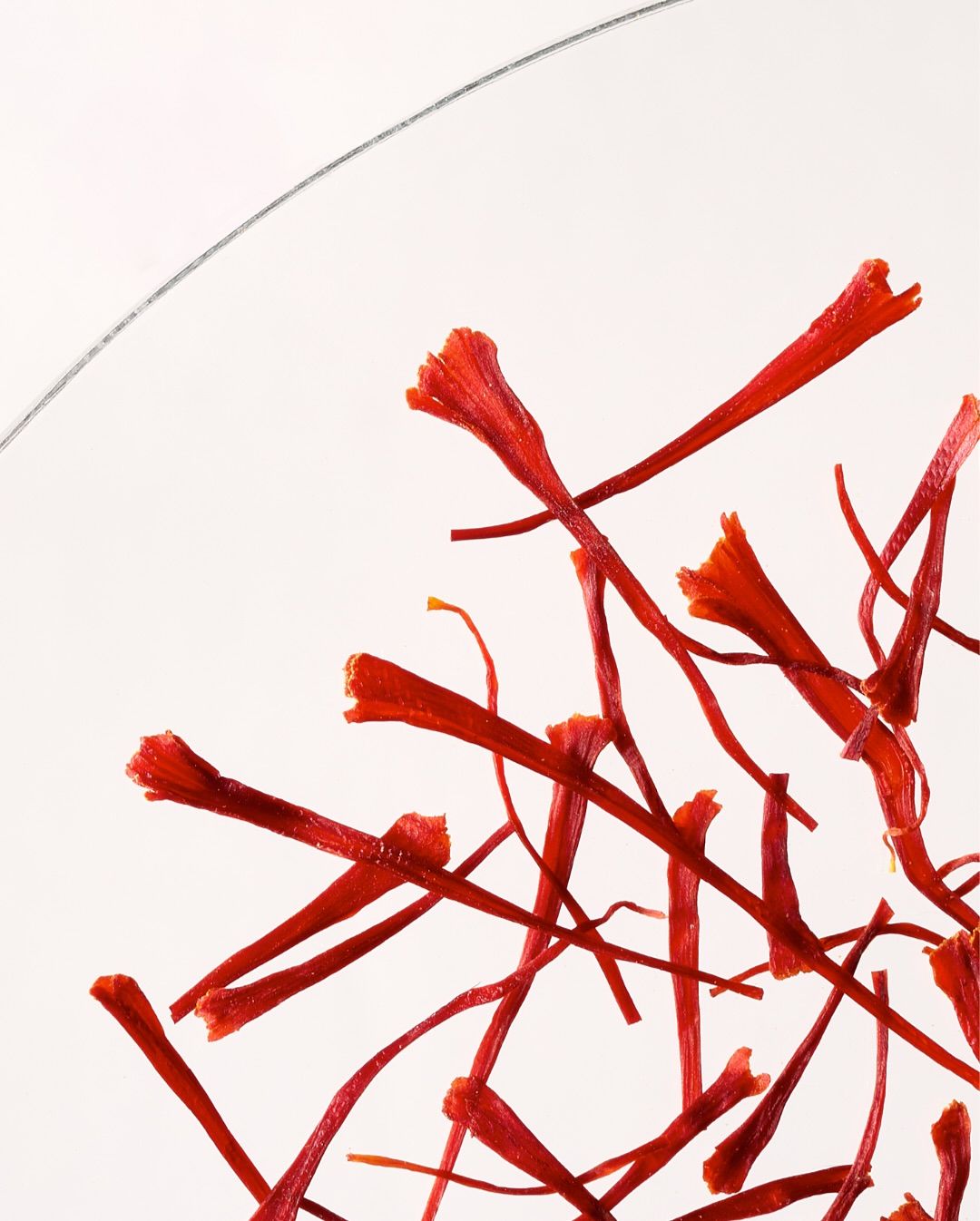
Learn how to choose the best saffron extract for mood, stress, focus, and emotional well-being. Compare clinically studied saffron supplements and key quality markers.