
Saffron Clinical Studies: What the Research Says About Mood, Stress, Sleep & Dosage
If you are skeptical about saffron as a supplement, that skepticism is reasonable. A lot of supplement marketing takes a familiar ingredient, adds wellness language, and stretches the science beyond recognition. Saffron is different in one important way: it has actually been studied in human clinical trials, not just talked about as an exotic spice.
That does not mean every claim made about saffron is solid. It means there is a real body of research worth reading carefully.
In the clinical literature, saffron is usually studied through its key bioactive compounds, especially crocin, crocetin, and safranal. A useful review in Critical Reviews in Food Science and Nutrition explains that these compounds are central to saffron's biological activity and are part of why researchers treat saffron extract differently from ordinary culinary saffron powder (review here). A separate chemistry paper in the Journal of Agricultural and Food Chemistry also details the composition and quality markers that matter when saffron is analyzed scientifically (source).
It helps to separate three levels of evidence. Traditional use tells us saffron has a long history in food and herbal practice. Preclinical research, including cell and animal work, suggests possible mechanisms involving neurotransmitters, oxidative stress, and inflammation. Human clinical studies are the highest level for practical decision-making, because they test whether real people taking saffron actually report meaningful changes.
That said, most saffron clinical studies are still small and short-term. The evidence is promising, especially for mood support, but it is not unlimited.
You can learn more about Saffron Co's formulation philosophy on the Why This Formula page.
What saffron clinical studies actually examine
Most human saffron studies do not test loose saffron threads from a spice jar. They use standardized extracts. That matters because the active compounds in saffron can vary by source, processing, and quality.
Why standardization matters in saffron research
When researchers study saffron seriously, they usually want a consistent dose of active compounds, not a vague amount of plant material. Standardization helps make one trial comparable to another. It also helps consumers compare supplements more intelligently.
In practice, that means looking beyond "contains saffron" and asking: at what dose, in what extract form, and standardized to what markers? Without that information, it is hard to know whether a product resembles what was actually used in research.
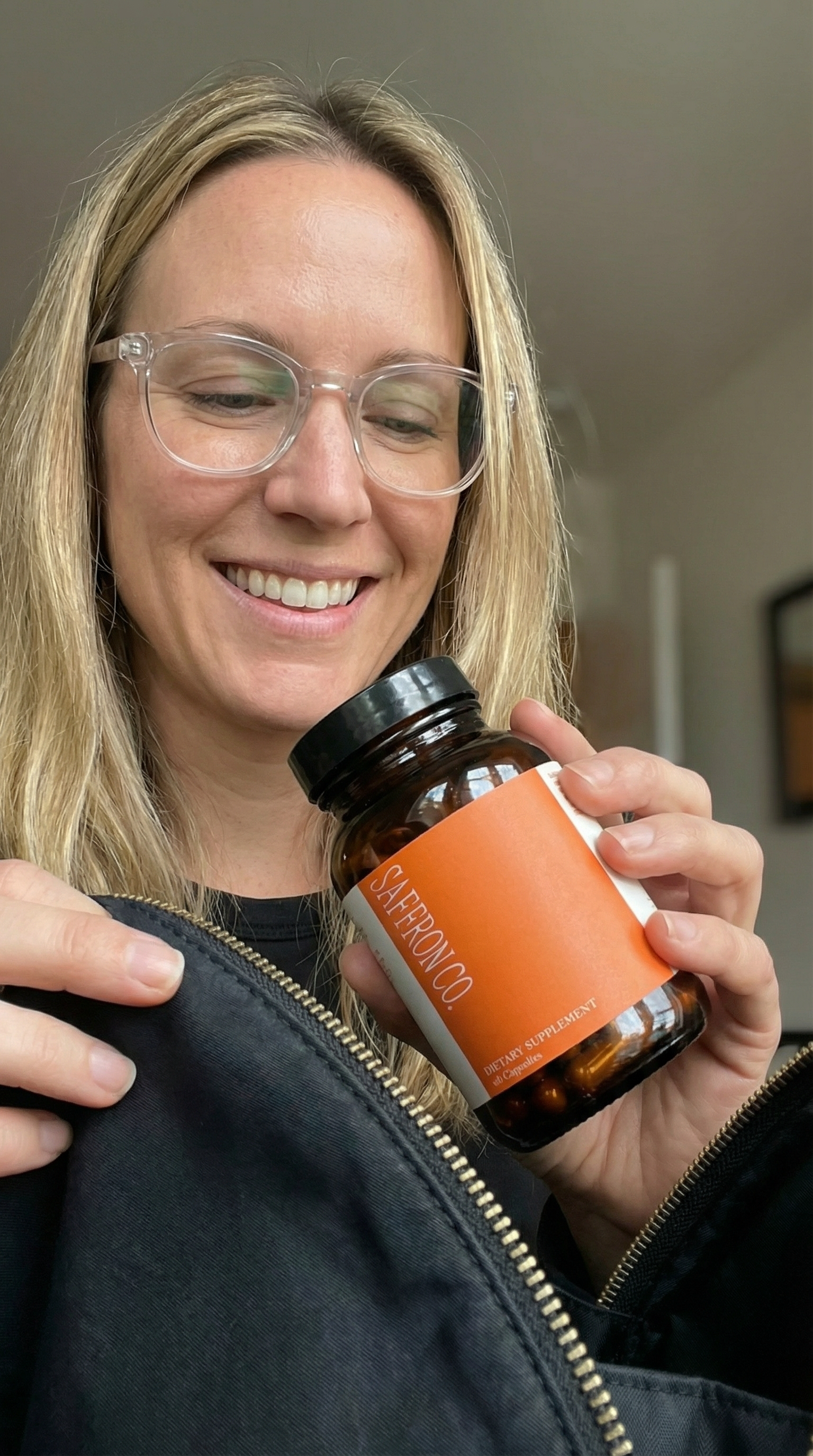
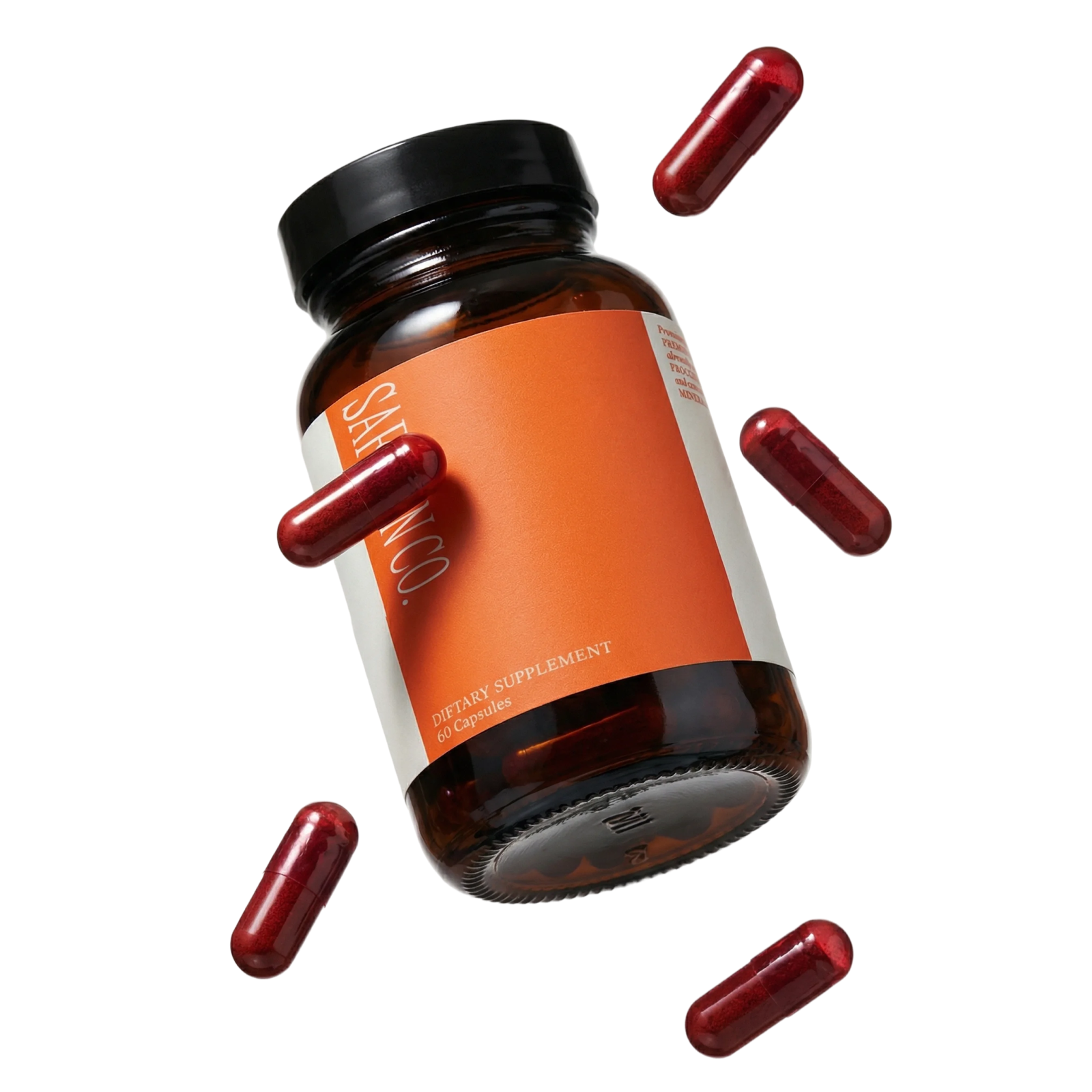
This is one reason clinically oriented formulas stand out. For example, Saffron Co Mood and Vitality Capsules provide 30 mg per day of Spanish saffron extract standardized to ≥3.0% trans-crocin and ~1.2% safranal, which aligns with the dose range used in much of the mood research.
How to read a saffron study without overinterpreting it
A strong saffron study is usually a randomized controlled trial. That means participants are assigned to saffron, placebo, or sometimes another comparison group. The better trials are double-blind, so neither the participant nor the researcher knows who got what until the end.
A few practical filters matter:
- Sample size: A 40-person study can be useful, but it is not the same as a 1,000-person study.
- Duration: Many saffron trials run 6 to 8 weeks. Helpful, but still short.
- Outcome measures: Mood questionnaires and sleep scales can show meaningful trends, but they are not the same as proving a supplement will work for every individual.
- Statistical significance: This tells you a result is unlikely to be random in that study. It does not guarantee a personal result for you.
That distinction matters. A clinically significant average effect and a guaranteed personal outcome are not the same thing.
What saffron clinical studies show for mood and emotional well-being
Mood support is where saffron has the strongest human evidence base. This is the part of the literature that deserves the most attention.
A 2022 narrative review published in Nutrients summarized saffron's human research across neurological and mood-related outcomes and noted repeated positive findings in mood-adjacent settings, particularly around the 28 to 30 mg per day range (review here). Another review in Complementary Therapies in Medicine also found saffron's evidence for mood-related outcomes encouraging, while emphasizing the limitations of study size and duration (source).
The important nuance is this: many of these studies involve mild low mood, mood imbalance, or subclinical symptoms. That is not the same as saying saffron treats depression or anxiety disorders. It does mean saffron has been clinically studied for mood support in adults who feel flat, stressed, or emotionally off-center.
Mood support in adults with low mood or subclinical symptoms
Several randomized trials have measured changes in standardized mood scales over roughly 6 to 8 weeks. In plain English, that means researchers are asking whether people feel noticeably better over time, not whether they feel different after two days.
For readers, the practical takeaway is fairly grounded. If you feel emotionally flat, drained, or unlike yourself, saffron may help support mood balance with consistent use. The research does not suggest an overnight effect. It suggests a gradual shift over several weeks.
That timeline fits how many supplements work when they are affecting broader systems rather than acting like a fast-acting stimulant.
What meta-analyses and systematic reviews add
Meta-analyses matter because they pool multiple studies instead of leaning too hard on one trial. An HerbalGram summary of a saffron meta-analysis reported generally positive results on mental health markers across clinical studies, while also noting familiar issues like small samples and short follow-up (HerbalGram summary, PDF version).
That is often the most honest way to describe the mood evidence overall: consistent enough to be taken seriously, limited enough to avoid hype.
What ongoing and newer studies may add
The science is still moving. Registered and newer trials are looking beyond older depression-adjacent designs toward broader emotional well-being, resilience, and healthy-population outcomes. For example, a ClinicalTrials.gov registered study reflects continuing interest in saffron's effects on psychological outcomes in contemporary research settings.
There is also growing interest in how saffron may affect emotional well-being in otherwise healthy adults, not just people selected for low mood symptoms. That may eventually give a clearer picture of who saffron helps most.
Beyond mood: stress, sleep, cognition, appetite, libido and other outcomes
Once you move beyond mood, the research becomes thinner. There is still reason for interest. There is just less certainty.
Saffron and stress resilience
Some human studies suggest saffron may help the body adapt to stress and may influence responses to psychosocial stressors. This fits with the broader literature suggesting effects on neurotransmitter signaling and nervous-system regulation. But compared with mood support, the stress literature is less established.
The right conclusion here is modest: saffron appears promising for stress-related well-being, but the evidence base is not yet as deep as it is for mood.
Saffron and sleep quality
Sleep is another area with emerging human research. Some trials suggest saffron may help support sleep quality or help people feel more settled at night. But again, sleep is not yet studied as extensively as mood.
So if sleep is your main goal, saffron may be worth considering as part of a broader plan. It should not be framed as a stand-alone sleep solution based on current evidence.
Saffron dosage for weight loss and appetite control
Searches for "saffron dosage for weight loss" are common, but this is where restraint matters. Some human studies have explored appetite, satiety, and snacking behavior. That does not mean saffron is a proven fat-loss supplement.
The evidence here is narrower and much less robust than the mood data. If appetite control is the only reason someone is shopping for saffron, they should know the research is exploratory rather than decisive.
There is also interest in cognition, libido, and general well-being. These areas are plausible and increasingly studied, but they do not yet have the same depth of human evidence as mood support.
Saffron dose per day, timing, safety, and who should be cautious
This is where readers usually want a direct answer.
What dose appears most often in clinical studies
The recurring clinical range in mood studies is about 28 to 30 mg per day. That is the range that appears most often across the better-known human trials and reviews.
More is not necessarily better. In supplements, people often assume a higher dose means a stronger result. With saffron, the most studied dose is what deserves the most confidence. Matching a supplement to the clinically studied range usually makes more sense than chasing inflated marketing language.
How long saffron may take to work
Most measurable outcomes in human saffron studies show up after several weeks, not overnight. Six to eight weeks is a common study window.
That does not mean everyone feels the same thing on the same schedule. It means saffron is better understood as a daily ritual than a quick fix.
People searching for "how to take saffron for depression and anxiety" are usually looking for dose and timing guidance. The careful answer is that saffron has been studied for mood support at around 28 to 30 mg daily over multiple weeks. It is not a replacement for prescribed treatment for depression, anxiety, or any diagnosable condition.
Safety, tolerability, and interaction questions
In studies, saffron appears generally well tolerated for most adults at researched doses. Mild side effects can include digestive discomfort, headache, or dizziness in some people, though not everyone experiences them.
If you take prescription medication for mood, sleep, blood pressure, or any chronic condition, talk with your healthcare provider before adding saffron. The same applies if you are pregnant or nursing. This article is for informational purposes and is not medical advice.
What the evidence does not prove yet, and how to choose a saffron supplement wisely
This is the section many supplement articles skip. It should not be skipped.
Where saffron clinical studies still fall short
Saffron is promising for mood support. That is fair to say. What the evidence does not yet prove is that saffron works equally well for everyone, works long-term in the same way it works over 6 to 8 weeks, or can stand in for therapy, medical evaluation, or prescribed medication when symptoms are persistent or severe.
The main limitations are consistent:
- short trial duration
- modest sample sizes
- different extract types across studies
- limited long-term replication
That does not invalidate the evidence. It just defines the ceiling.
How to compare saffron supplements against the research
If you want the best saffron supplement for a research-aligned use case, look for:
- a dose close to the studied 28 to 30 mg daily range
- transparent extract standardization
- clear labeling of active markers
- third-party quality testing
- useful supporting ingredients rather than decorative add-ons
This is where formulation logic matters more than branding.
When a complete saffron formula may make sense
A pure saffron product can make sense if you want simplicity and you prefer to isolate one ingredient. A more complete formula may make more sense if your goals overlap, such as mood support plus stress resilience, focus, or nervous-system support.
That is where Saffron Co can be a strong fit for some readers. Its formula pairs clinically dosed saffron with Rhodiola rosea for stress adaptation, magnesium glycinate for nervous-system support, vitamin B6 in active P5P form for neurotransmitter activation, and a probiotic to support the gut-brain axis. The brand is newer than some established competitors, so it has less long-term independent brand history behind it. The 90-day money-back guarantee is how it answers that honestly.
Buy a formula like that if you want a complete saffron-based stack and value the added formulation logic. Consider a pure saffron supplement instead if you prefer fewer ingredients and want the simplest possible comparison to the clinical literature.
FAQ
What do saffron clinical studies say about mood support?
They suggest saffron has been clinically studied for mood support, especially at around 28 to 30 mg per day over 6 to 8 weeks. The findings are encouraging, particularly for mild low mood and emotional well-being, but the studies are often small and short-term.
What is the saffron dose per day used in most clinical studies?
The most common dose is about 28 to 30 mg per day. That range appears repeatedly in the mood literature and is the most useful benchmark when comparing supplements.
How long does saffron take to work in human studies?
Most human studies measure outcomes over several weeks, with 6 to 8 weeks being common. Saffron is not usually studied as a same-day or one-week intervention.
Is saffron safe to take every day?
At commonly studied doses, saffron appears generally well tolerated for most adults. Mild side effects are possible, and anyone taking prescription medication or who is pregnant or nursing should speak with a healthcare provider first.
How should I interpret searches for how to take saffron for depression and anxiety?
Treat that search as a question about researched dose and timing, not as evidence saffron treats those conditions. The careful takeaway is that saffron has been studied for mood support at around 28 to 30 mg daily, but it is not a replacement for professional care or prescribed treatment.
What should I look for in the best saffron supplement?
Look for a clinically relevant dose, standardized extract markers, transparent labeling, third-party testing, and a formula that makes sense for your goals. If you want simplicity, a pure saffron extract may fit best. If you want broader support for mood, stress, focus, and nervous-system balance, a more complete formula may be worth considering.
Read more
Learn how a 90 day money back guarantee supplement reduces buyer risk, what policies actually cover, and how to compare supplement brands properly.
Explore the latest saffron statistics for 2026, including global market size, production trends, supplement demand, pricing, trade data, clinical research growth, and what drives the premi...